WAPDA’s New Rules for Multiple Meters in One House (2025 Update)
Electricity bills in Pakistan are increasing every few months, and many families are searching for ways to reduce their monthly expenses. Because of this, one topic has become very popular recently: having multiple electricity meters in a single house.
People want to know whether it is allowed, how it works, and if it really helps reduce the total bill. WAPDA has not completely banned extra electricity meters. What has changed is how additional meters are approved. This guide explains everything in simple words.
Why Do People Want Multiple Meters in One House?
Many families have more than one portion in the same house, such as:
- Ground floor
- First floor
- Second floor
Each portion may have separate families or tenants. Having one meter for the whole building means the total units get added together, pushing the bill into a higher tariff slab, which increases cost.
Multiple meters help because:
- Each portion uses its own meter.
- Units stay low on each bill.
- Electricity charges remain in lower slabs.
- Overall monthly cost becomes manageable.
This is why many Pakistani households are now applying for more than one meter.
Is Installing multiple meters Allowed in Pakistan?
Yes, it is legally allowed to have more than one meter in a single house.
MEPCO, LESCO, FESCO, KE, and other DISCOs permit consumers to apply for separate meters for each portion, as long as:
- The portion has a separate entrance,
- Proper wiring is installed,
- The owner gives written permission.
Electricity companies do not stop anyone from installing multiple meters if the basic requirements are fulfilled.
Benefits of Having Multiple Meters
- Lower Electricity Bill
When units are divided between two or three meters, the bill stays within lower slabs. This reduces the cost per unit. - Fair Billing for Tenants
Tenants can pay their own bills instead of relying on the landlord to calculate shares. - Better Load Management
Each portion gets a separate sanctioned load, reducing tripping issues. - Easier Monitoring
You can easily see which floor uses more electricity.
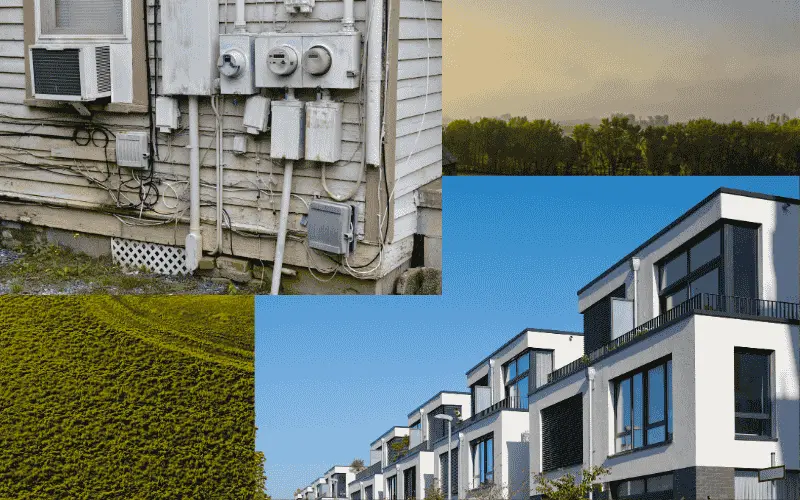
Drawbacks You Should Know
- Extra Meter Charges
Each meter comes with its own meter rent and taxes. - Extra Wiring Cost
You may need to install new wiring for separate portions. - Not Useful if Consumption is Very High
If every portion uses heavy load (ACs in every room), the bill may still stay high — even with multiple meters.
How to Apply for an Additional Meter
The steps are simple:
- 1. Visit the nearest electricity office
Go to MEPCO, LESCO, FESCO, or your local company office. - 2. Fill out the New Connection Form
Provide your CNIC, property papers, and address details. - 3. Submit owner’s permission
If you are a tenant, you must bring an authorization letter from the owner. - 4. Technical survey
A team will visit your house to check wiring and feasibility. - 5. Pay the required fee
This includes security deposit, connection fee, and meter cost. - 6. Installation of new meter
Once approved, your meter will be installed within a few days or weeks.
Who Should Consider Getting Multiple Meters?
You should go for an extra meter if:
- Your house has two or three portions
- You live with joint family system
- You have tenants
- Your current bill crosses slab limits
If your monthly units exceed 700–1000, dividing the load between two meters can bring your bill down.
Frequently Asked Questions (FAQs)
Final Thoughts
Multiple electricity meters in one house are not a new trend — but rising electricity prices have made it a smart choice for many households. When used properly, it helps manage cost, keeps units low, and gives every portion its own control. If your bill is consistently high, checking the option of an additional meter may be one of the simplest and most effective steps toward reducing your monthly expenses.
If you or someone you know needs an extra meter, you should be able to apply — but be prepared to show detailed proof and follow all the new rules. To legally get a second (or third) meter, your portion of the house must satisfy specific structural and legal criteria. WAPDA and DISCOs (like MEPCO, LESCO) will conduct inspections to verify that each meter is for a legitimate, separate unit.